Blackstock Road business rubbish removal for shops and cafes
Posted on 13/07/2026
![A single-story commercial building constructed from light brown stone bricks, featuring a sloped dark gray tiled roof, is situated on a paved area adjacent to a road. The building's facade includes two small, rectangular black-framed windows and a central entrance door with a glass panel. Above each window and door, there are small security or sensor lights attached to the wall. To the left of the building, a tall, vertical black sign with the Starbucks logo, featuring a green mermaid emblem on a white background, is prominently displayed. In front of the building, dense, well-maintained green shrubs form a hedge along the sidewalk, partially obscuring a black cylindrical waste bin placed within the greenery. Outside, the public space is free of litter, indicating regular maintenance. In the background, a line of tall, slender trees and a partly cloudy sky create a natural backdrop, with no other structures immediately visible. The scene suggests an urban or suburban setting where private waste management, possibly managed by [COMPANY_NAME], handles rubbish removal from commercial premises like cafes or shops, contributing to the tidy appearance of the area.](/pub/blogphoto/blackstock-road-business-rubbish-removal-for-shops-and-cafes1.jpg)
Blackstock Road Business Rubbish Removal for Shops and Cafes
If you run a shop or cafe on Blackstock Road, rubbish has a way of arriving quietly and then multiplying fast. Cardboard stacks up by the back door, packaging fills the bin store, old fixtures get shoved into corners, and food prep waste never seems to take a day off. That is why Blackstock Road business rubbish removal for shops and cafes matters so much: it keeps your premises usable, your frontage tidy, and your day-to-day operations far less chaotic.
In a busy stretch like Blackstock Road, you do not have much room for waste to linger. Customers notice, staff trip over it, and small messes can become bigger problems before lunch. This guide breaks down how commercial rubbish removal works, what to watch for, and how to make a sensible plan that suits the pace of a local independent business. It is practical stuff. No fluff, promise.
- Why it matters
- How it works
- Key benefits and practical advantages
- Who this is for and when it makes sense
- Step-by-step guidance
- Expert tips for better results
- Common mistakes to avoid
- Tools, resources and recommendations
- Law, compliance, standards, or best practice
- Options, methods, or comparison table
- Case study or real-world example
- Practical checklist
- Conclusion
- Frequently asked questions
Why Blackstock Road Business Rubbish Removal for Shops and Cafes Matters
For retail units and hospitality venues, waste is not just an end-of-day issue. It affects how a place feels, how safely people move through it, and how efficiently the team can work. On a road like Blackstock Road, where footfall can be steady and space is often tight, even a small pile of rubbish can make the whole site look neglected.
Let's face it: customers rarely separate "great coffee" from "messy back yard" in their minds. They may not say anything, but they notice. A blocked bin area, overfilled sacks, or broken furniture waiting for disposal can chip away at the impression you work hard to build. That matters especially for cafes, where cleanliness is part of the brand, and shops, where presentation shapes trust.
There is also a practical side. Waste left to build up can attract pests, cause odours, and create awkward handling risks for staff. In a cafe, that could mean food packaging, damaged delivery boxes, old chairs, broken shelves, or mixed waste after a refurbishment. In a shop, it might be display materials, stock wrap, cardboard, hangers, or packaging from repeated deliveries. None of it is dramatic on its own. Together, though, it can become a headache.
Commercial rubbish removal is about more than simply clearing space. It supports smoother trading, better hygiene, safer working conditions, and a calmer back-of-house routine. That is why many businesses also look beyond one-off uplift and build a regular waste plan, sometimes alongside broader services like waste removal in Finsbury Park or general rubbish clearance when they need a more flexible solution.
For businesses on or near Blackstock Road, that flexibility can be the difference between "we'll sort it later" and "we've already got it handled." Big difference, actually.
How Blackstock Road Business Rubbish Removal for Shops and Cafes Works
The process is usually simpler than people expect. A good clearance provider will want to understand what kind of waste you have, how much there is, and where it is located. That matters because a bag of mixed shop waste is very different from dismantled shelving, an old fridge, or stacks of packaging from a busy weekend service.
Most business rubbish removal jobs follow a fairly straight path:
- Initial enquiry: you describe the waste, access, timing, and whether it is urgent.
- Assessment: the provider estimates volume, labour, and any special handling needs.
- Collection plan: a collection time is arranged to reduce disruption to trading.
- On-site removal: items are lifted, sorted where needed, and removed from the premises.
- Responsible handling: reusable and recyclable materials are separated where possible.
- Final check: the area is left clear and the job is confirmed.
In practice, the best removals feel almost unremarkable. A team arrives, gets on with it, and your staff can return to serving customers instead of moving piles around. If you want a broader look at how local rubbish collection services fit into the area's day-to-day rhythm, this local collection page gives a useful sense of the service style.
Timing matters more than many people realise. Early mornings, late afternoons, or quieter midweek slots can be easier for shops and cafes, especially if you do not want waste removal happening during a lunch rush. A cafe with a tiny pavement frontage, for example, may need the team to work quickly and keep the path clear. A small boutique might care more about lifting items without scratching paintwork or blocking customers at the door. Different needs, same outcome: get the rubbish out cleanly and without drama.
For heavier or bulkier items, such as broken furniture, display units, or old counters, the process may overlap with a more specialist collection. If your waste comes from a fit-out, refit, or light refurbishment, you might also find builders waste disposal in Finsbury Park relevant, especially when plasterboard, timber offcuts, packaging, and rubble are involved.
Key Benefits and Practical Advantages
The obvious benefit is a tidy space. But the better question is: what does that tidy space actually do for the business? Quite a lot, really.
- Cleaner customer experience: a neat front and back area sends the right signal from the start.
- Safer working conditions: fewer trip hazards, fewer awkward lifts, less clutter.
- More usable storage space: cleared corners and stock rooms become useful again.
- Better hygiene control: especially important where food, packaging, and bins mix.
- Less staff downtime: your team can focus on service rather than rubbish handling.
- More flexible trading: useful for seasonal peaks, menu changes, refurbishments, or stock turnover.
There is also the reputational side. People walking past a cafe with overflowing sacks or a shop with cardboard spilling onto the pavement will notice. Sometimes it is only a glance. But a glance is enough. On a street like Blackstock Road, where local businesses depend heavily on repeat custom and word of mouth, that impression matters.
Another underrated advantage is peace of mind. When rubbish starts to sit around, teams begin to work around it. They squeeze past it, ignore it, and slowly accept it as part of the environment. That is how clutter becomes normal. Removing it resets the space. A proper reset. You can feel it on the next shift.
Businesses that pair clearance with better internal organisation often see the biggest gains. For example, a cafe might separate dry cardboard, food waste, and old equipment more effectively after a one-off clearance. A shop might decide to schedule regular uplift after delivery days rather than waiting until the stockroom looks like a cardboard mountain. Not glamorous, but very effective.
If you are reviewing broader business waste arrangements, it may help to compare your needs with general commercial support like office clearance in Finsbury Park or the wider services overview so you can match the right type of removal to the right type of waste.
Who This Is For and When It Makes Sense
This service suits more businesses than people initially think. It is not only for major clear-outs or emergency waste jobs. In fact, many small, recurring waste problems are better handled before they become major ones.
Typical users include:
- independent cafes with food packaging, disposable service items, and occasional broken furniture
- shops with cardboard, wrapping materials, stockroom waste, and display fixtures
- takeaways or food businesses with frequent packaging and back-of-house clutter
- premises preparing for a refit, rebrand, or seasonal changeover
- new tenants taking over a unit with leftover waste from the previous occupier
- owners who need a one-off clearance after equipment failure or an unexpected storage build-up
It makes sense when your waste is too bulky, too mixed, or too awkward for standard bins. It also makes sense when your staff are spending too much time moving rubbish rather than doing the work that keeps customers happy. Sometimes the tipping point is practical. Sometimes it is just visual. You look around at 8:15 in the morning and think, no, this cannot go on another week.
For businesses that have recently moved into the area, local context matters too. Blackstock Road sits within a part of Finsbury Park that combines residential life, casual dining, and passing trade. If you want a feel for that local mix, pieces like experiencing the best of Finsbury Park and what locals say about living in Finsbury Park can help explain why tidy, well-managed premises matter so much here.
And if you are new to a unit altogether, you may already be juggling move-in tasks, handover snags, or leftover items from the previous business. That is where a flexible clearance approach usually works best.
Step-by-Step Guidance
If you want the process to go smoothly, a bit of planning helps. Nothing complicated. Just enough structure to avoid the usual scramble.
- Walk the site first. Check the shop floor, stockroom, back alley, basement, and any bin stores. Waste hides in odd places. Always does.
- Separate the main waste types. Cardboard, mixed rubbish, broken furniture, and electrical items should be identified early.
- Remove anything reusable. If a shelf, chair, or table can be donated, reused, or relocated, set it aside before collection day.
- Measure access points. Narrow doors, shared corridors, stairs, and loading restrictions can affect the removal plan.
- Choose a sensible time slot. Aim for a quieter trading window if possible. Even 30 minutes can matter in a cafe.
- Ask how the waste will be handled. Good operators should be able to explain sorting, recycling, and disposal routes in plain English.
- Confirm what is included. Labour, loading, lifting, and disposal should be clear before the team arrives.
- Do a final sweep. Check under counters, behind fridges, and around stock cages before the van leaves.
One small but useful habit: keep a "clearance pile" box or corner ready during the week. As old packaging, damaged small items, or broken fixtures come up, place them there rather than scattering them across the premises. It sounds minor, but it saves time and confusion.
For larger or more awkward items, photos can help. If you are arranging removal remotely, a few clear pictures of the waste area and the items themselves make quoting easier. It avoids that awkward moment where the team turns up expecting three bags and finds a half-dismantled counter, a rusting shelving unit, and enough cardboard to build a small fort.
If your business needs a broader clean-out beyond the shop or cafe, related services such as rubbish clearance in Finsbury Park can be useful for mixed one-off jobs, while tailored rubbish removal options may help you compare different approaches.
Expert Tips for Better Results
A few small choices can make a big difference. Here are the ones that tend to matter most in real life, not just on paper.
- Schedule around delivery days. Avoid loading the team with clearance work on the same day as a major stock drop unless you have to.
- Keep hazardous or specialist items separate. Not everything should be bundled into the same pile. Mixed waste can create delays.
- Use labelled bags or zones. A little sorting at source saves time later and reduces mistakes.
- Plan for peak seasons early. Hospitality waste often rises before holidays, weekends, and local events.
- Protect floors and walls near the route out. Particularly in older units or narrow premises where bumps happen easily.
- Ask about recycling before the job starts. If your waste includes clean cardboard, metal, or wood, sorting it properly is usually worth doing.
There is a simple rule here: the less guesswork on the day, the smoother the clear-out. That is true whether you are a small corner cafe or a busy shop with constant deliveries. And yes, the back room does seem to collect random nonsense no matter how often you tidy it. That is just retail life, apparently.
For businesses that want to avoid nasty surprises, it also helps to read advice on pricing transparency such as how to avoid hidden rubbish charges in Finsbury Park and the local note on same-day rubbish removal quotes. Those pages are useful if your waste situation is changing quickly and you need clarity fast.
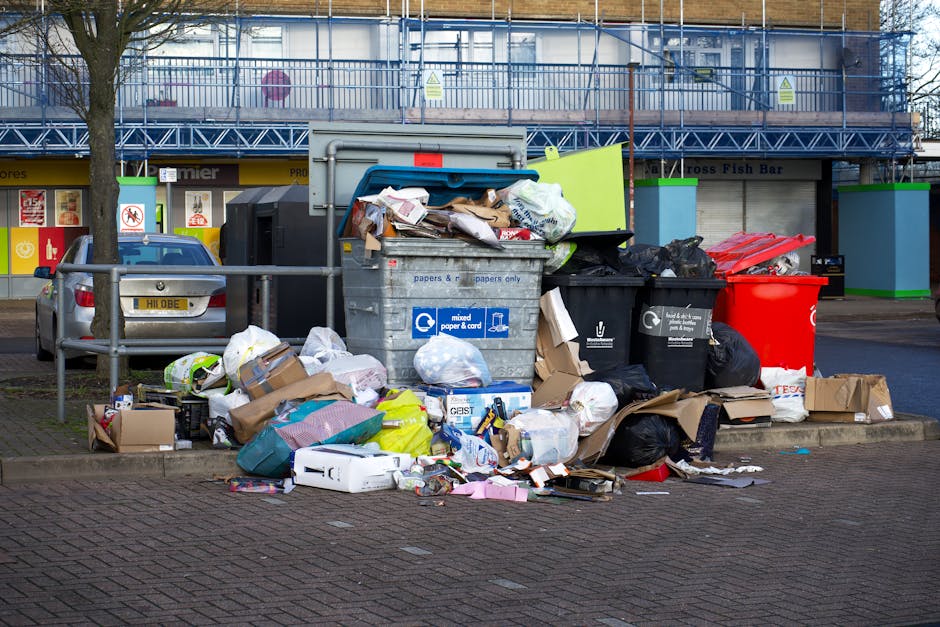
Common Mistakes to Avoid
Most rubbish removal problems come from being vague, late, or a bit too optimistic about how much waste there actually is. It happens.
- Leaving it until the last minute: if the waste is already blocking access, the job becomes harder and more disruptive.
- Mixing everything together: cardboard, food waste, fixtures, and electrical items should not just be dumped into one pile without thought.
- Forgetting access details: stairwells, shared entrances, timed loading restrictions, and narrow alley access can all affect the job.
- Not checking what needs special handling: fridges, electricals, and some bulky items may need different treatment.
- Assuming staff have time to sort it all: in a busy business, they usually do not.
- Ignoring recurring waste patterns: if the same type of rubbish keeps coming back, the real problem is your process, not the bin.
Another mistake is treating one-off clearance as a one-off problem. Sometimes it is. Often it is a clue. If cardboard keeps overflowing or storage space keeps disappearing, the answer may be a better regular system rather than another emergency call-out. That is the honest version, anyway.
And a gentle warning: if your premises are close to a busy pavement or shared entrance, do not assume you can just "leave it outside for a bit." In practice, that can create clutter, complaints, or avoidable safety issues. Better to have a proper collection arranged than improvise and hope for the best. Hope is not a waste strategy.
Tools, Resources and Recommendations
You do not need a warehouse management system to keep commercial rubbish under control. Most of the time, a few practical tools are enough.
- Colour-coded bags or bins: useful for separating general waste, cardboard, and food-related waste.
- Labelled holding areas: a marked corner or cage for items waiting to be removed.
- Simple waste log: note recurring items, peak days, and anything that keeps building up.
- Basic measuring tape: handy for bulky furniture, shelving, or awkward items.
- Phone camera: photos help explain access, volume, and item type before collection.
For businesses with mixed needs, it can also help to compare related services before choosing a route. If you are dealing with a full changeover rather than just waste bags, office clearance, house clearance, or even garden waste removal may be relevant depending on the type of premises and the type of waste involved.
When a business is reviewing how it works with outside contractors, it is also sensible to read a little about company standards, safety, and payments. The pages on insurance and safety, payment and security, and terms and conditions are worth a look if you want to understand the basics before booking.
For businesses that care about environmental handling, it is also sensible to ask how materials are sorted and whether reusable items are separated where possible. If sustainability is part of your brand story, you may also find recycling and sustainability relevant to your decision-making.
Law, Compliance, Standards, or Best Practice
Business rubbish removal is not just a convenience issue. In the UK, commercial premises are expected to manage waste responsibly, keep their premises reasonably safe, and use appropriate disposal arrangements. The exact legal duties depend on the waste type and the business setup, so it is wise to treat compliance carefully rather than casually.
In plain English, that means a few things. You should know what kind of waste you are producing, keep it stored safely, and make sure it is handled by a suitable provider. Food businesses, in particular, need to be mindful of hygiene, pests, and separation of waste streams. Shops need to think about cardboard overflow, stockroom clutter, and safe access for staff and customers. Mixed waste should not simply be treated as "all the same." It rarely is.
Best practice also means reducing risks on site. A clear route for moving waste, no overfilled bins by exits, and no sharp or heavy items left where staff might get hurt. If you are handling electrical items, fridges, or items with oils, chemicals, or special components, extra care is sensible. Not everything belongs in the same collection.
Many businesses also like to confirm the basics before booking: who will do the lifting, what happens to mixed waste, whether the team is insured, and how any access issues are handled. That kind of due diligence is boring only until it saves you a hassle. Then it feels very clever indeed.
Where a business is undergoing a strip-out or fit-out, waste control becomes even more important. In those cases, it is usually better to plan ahead with a specialist disposal approach rather than improvising as the job unfolds.
Options, Methods, or Comparison Table
There are several ways a shop or cafe can deal with rubbish. The best option depends on volume, frequency, and how disruptive the waste is becoming.
| Method | Best for | Advantages | Limitations |
|---|---|---|---|
| Regular bin collections only | Low, predictable waste volumes | Simple and familiar | Can struggle with bulky or one-off items |
| Ad hoc commercial rubbish removal | Occasional build-ups or clear-outs | Flexible and fast | Needs good timing and clear briefing |
| Planned clearance during fit-out or rebrand | Refurbishments, equipment changes, stockroom resets | Keeps the project moving | Requires more coordination |
| Combined waste and bulky item collection | Mixed premises waste with furniture or fixtures | Efficient for larger jobs | Needs accurate item description |
For most small businesses on Blackstock Road, the sweet spot is a combination of day-to-day waste discipline and occasional removal support when the back-of-house starts getting crowded. Regular bin service handles the routine stuff. A clearance service handles the moments that do not fit neatly into a wheeled bin.
And if you are deciding between a few service types, think about the shape of the problem, not just the volume. A few bulky chairs can be a bigger issue than ten normal sacks, simply because they block movement and storage. That catches people out more often than you'd think.
Case Study or Real-World Example
Here is a realistic example from the kind of work local businesses often need, without pretending it is a specific named case.
A small cafe on a busy side stretch off Blackstock Road had been managing fine for months, then ran into three things at once: a broken pastry display, excess cardboard from repeated deliveries, and a storage shelf that was no longer safe to keep. Nothing dramatic. Just enough clutter to make the back area awkward and the staff frustrated.
At first, the team tried to "work around it." That lasted a week. Then the boxes started gathering in the wrong places, the route to the rear door narrowed, and the manager realised the problem was no longer about tidiness. It was affecting service flow. Customers were fine out front, but the staff kept doing a weird little sidestep dance in the prep area. Not ideal.
The business arranged a clearance at a quiet time, separated the cardboard from the broken equipment, and asked for the old shelf and display unit to be removed in one visit. The result was simple but noticeable. The back room became usable again, the team moved faster, and the cafe looked more organised from the first step inside. No drama, no overcomplication.
The key lesson was not that they needed a perfect system. They did not. The lesson was that waiting too long had turned a manageable issue into a daily nuisance. Once it was cleared, the whole place felt lighter. Sometimes that is what good rubbish removal really buys you: a bit of breathing room.
Practical Checklist
Use this checklist before your next business rubbish removal booking:
- Walk the entire premises and identify all waste locations.
- Separate cardboard, mixed rubbish, bulky furniture, and any electrical items.
- Check access routes, stairs, shared entrances, and loading restrictions.
- Decide whether the job needs a quiet trading slot.
- Take photos of bulky or awkward items if needed.
- Confirm what is included in the collection.
- Set aside reusable stock or furniture before the crew arrives.
- Clear a path from the waste area to the exit.
- Make sure staff know what should and should not be moved.
- Review whether the same waste problem keeps repeating.
If you can tick most of those off, the job usually goes much more smoothly. It really is that simple.
Get a free quote today and see how much you can save.
Conclusion
Blackstock Road business rubbish removal for shops and cafes is about keeping a working space working properly. That means less clutter, better hygiene, safer movement, and a stronger impression for customers who walk through the door and decide very quickly whether a place feels cared for.
The best approach is usually the one that fits your pace. For some businesses, that means a one-off clearance after a busy season or refit. For others, it means bringing in support before waste starts to spill into trading space. Either way, the goal is the same: keep the business moving without rubbish getting in the way.
If you plan ahead, separate the obvious waste types, and choose a collection style that suits the premises, you will save time and avoid a lot of frustration. And honestly, that is worth a lot on a weekday morning before the first coffee has even gone through.
When the space feels clear, everything else tends to feel a bit easier too.
![A single-story commercial building constructed from light brown stone bricks, featuring a sloped dark gray tiled roof, is situated on a paved area adjacent to a road. The building's facade includes two small, rectangular black-framed windows and a central entrance door with a glass panel. Above each window and door, there are small security or sensor lights attached to the wall. To the left of the building, a tall, vertical black sign with the Starbucks logo, featuring a green mermaid emblem on a white background, is prominently displayed. In front of the building, dense, well-maintained green shrubs form a hedge along the sidewalk, partially obscuring a black cylindrical waste bin placed within the greenery. Outside, the public space is free of litter, indicating regular maintenance. In the background, a line of tall, slender trees and a partly cloudy sky create a natural backdrop, with no other structures immediately visible. The scene suggests an urban or suburban setting where private waste management, possibly managed by [COMPANY_NAME], handles rubbish removal from commercial premises like cafes or shops, contributing to the tidy appearance of the area.](/pub/blogphoto/blackstock-road-business-rubbish-removal-for-shops-and-cafes3.jpg)
 Tipper Van - Rubbish Clearance and Office Waste Removal Prices in Finsbury Park, N4
 Luton Van - Rubbish Clearance and Office Waste Removal Prices in Finsbury Park, N4


