Avoid common rubbish removal mistakes landlords Finsbury Park
Posted on 23/10/2026
Avoid Common Rubbish Removal Mistakes Landlords Finsbury Park
If you rent out property in Finsbury Park, rubbish removal probably sits somewhere near the bottom of your favourite tasks list. Fair enough. But the wrong approach can quickly turn into lost time, awkward check-outs, extra costs, tenant disputes, or a flat that looks far messier than it should. This guide is here to help you avoid common rubbish removal mistakes landlords Finsbury Park by showing what to watch for, what actually works, and how to keep things simple when a tenancy ends, a refurbishment finishes, or a property needs clearing in a hurry.
Landlord rubbish removal is not just about chucking things away. It is about planning, documenting, sorting, and choosing the right disposal method for the job. Get that right and you protect the property, your time, and your reputation. Get it wrong and, well, you may end up doing a second trip in traffic with a sofa nobody wanted in the first place.

Why Avoid Common Rubbish Removal Mistakes Landlords Finsbury Park Matters
In Finsbury Park, rental properties can turn over quickly. That means landlords often deal with leftover furniture, broken appliances, bags of mixed waste, garden cuttings, and end-of-tenancy clutter with very little notice. One poor decision can slow down re-marketing, damage flooring, annoy neighbours, or leave you scrambling on the morning of a new inventory.
The real issue is that rubbish removal for landlords is rarely straightforward. You may be clearing a small studio off Seven Sisters Road one week and a family house with attic storage and a shed full of bits the next. Then there's the timing. A flat may need to be reset fast for viewings, repairs, or a new tenant move-in. That's where mistakes become expensive. Not dramatic-expensive, just irritating-expensive. The sort that eats into your margin.
For landlords, the goal is not only to remove waste, but to do it cleanly, legally, and predictably. If you need a broader overview of service types, the services overview is a useful place to understand what can usually be handled in one visit.
Key point: good rubbish clearance protects tenancy turnaround, tenant relations, and the condition of the property. Bad rubbish clearance tends to create ripple effects. And those ripple effects are annoying for weeks.
How Avoid Common Rubbish Removal Mistakes Landlords Finsbury Park Works
At a practical level, avoiding rubbish removal mistakes means following a simple sequence: assess the waste, separate the items, check access, choose the right disposal route, and confirm the price before collection begins. Sounds basic, but many landlord problems happen because one of those steps gets skipped in the rush.
A well-run removal process usually starts with a clear list of what is on site. That includes bulky furniture, white goods, bags of general rubbish, small DIY debris, and anything that may need special handling. In a typical Finsbury Park flat, access can matter just as much as volume. Narrow staircases, shared hallways, parking restrictions, and time windows all affect how smoothly a clearance goes.
Then comes the sorting stage. Reuse, recycle, and dispose properly if items are beyond saving. This matters especially if a property has been left with mixed contents after a move-out. You do not want recyclables buried under general waste or usable items sent out with broken fittings. For landlords managing several properties, a repeatable process is a huge help.
If you want to understand how rubbish collection is arranged locally, take a look at rubbish collection in Finsbury Park N4 and compare it with the scale of the job you are dealing with. That way you can match the method to the mess. Simple, but useful.
Also, if you are wondering whether your own setup needs a one-off clearance or something more ongoing, the page on your rubbish removal needs can help frame the decision.
Key Benefits and Practical Advantages
When landlords avoid the usual mistakes, the benefits show up quickly. You spend less time chasing problems, the property is easier to present, and there is far less chance of a costly follow-up visit. More than that, the job feels controlled instead of chaotic. That alone is worth a lot.
- Faster re-let timelines: the sooner the rubbish is gone, the sooner cleaners, decorators, and photographers can get in.
- Better tenant experience: new tenants walk into a property that feels looked after, not neglected.
- Fewer disputes: clear records and sensible clearance arrangements make deposit discussions easier.
- Lower risk of hidden costs: planning volume and access properly reduces surprise charges.
- More efficient use of trades: decorators and repair teams work better when they are not stepping around old mattresses and bin bags.
There is also a practical safety angle. Heavy lifting, broken glass, old furniture with sharp edges, and damp items can all create avoidable hazards. A proper clearance method reduces the chance of someone getting hurt while hurrying through a staircase with a wardrobe that clearly did not want to move in the first place.
For landlords handling mixed property types, rubbish removal often overlaps with other clearance needs. A house clearance may require a different approach from an office clearance, and garden waste needs different handling again. If that sounds familiar, the relevant service pages such as house clearance, office clearance, and garden waste removal can help you match the task to the right type of clearance.
Who This Is For and When It Makes Sense
This advice is mainly for landlords, letting agents, and property managers in Finsbury Park who need a reliable way to clear waste without creating more work. It is especially relevant if you manage flats in older buildings, furnished lets, HMOs, or homes that change tenants often.
It also makes sense if you are:
- dealing with an end-of-tenancy clearance
- preparing a property for new photos or viewings
- clearing abandoned belongings after a tenancy ends
- removing bulky furniture before decorating
- managing post-build or renovation waste
- tidying external areas, sheds, or small gardens
Some landlords try to solve everything themselves because it seems cheaper. Sometimes that works. Sometimes it means a van full of odd items, no parking space, and a very long afternoon. To be fair, we have all had jobs that look smaller from the front door than they do once the cupboard is opened.
For landlords who also own or buy in the area, local property context matters too. The pieces on buying property in Finsbury Park and selling homes in Finsbury Park give a feel for the local property environment, which can be useful when planning refurbishments or turnarounds between tenancies.
Step-by-Step Guidance
- Walk the property properly. Do not just glance at the front room and assume you have the full picture. Check cupboards, loft spaces, outside areas, under beds, and storage units.
- Separate waste by type. Keep general rubbish, bulky items, green waste, and anything hazardous or awkward apart. Mixed piles make everything harder.
- Make note of access issues. Stairs, lifts, key collection, parking, and timing matter. In Finsbury Park, that can make a big difference to efficiency.
- Photograph the load if needed. A few quick pictures help avoid misunderstandings about volume and item type.
- Confirm the collection method. Check whether the job needs a simple pickup, a full clearance, or a more specialist approach for builders waste or bulky furniture.
- Agree the scope before work starts. Be clear on what will be taken, what will stay, and who is responsible for anything left behind.
- Plan around tenancy or contractor timing. Coordinate the clearance with cleaning, repairs, and inventory work so nobody is waiting around.
- Keep a record of what was removed. Useful for bookkeeping, tenant discussions, and your own peace of mind.
For property turnarounds near transport-heavy parts of the area, such as around the station, timing and access can be particularly important. The end-of-tenancy rubbish pickup guide is a handy related read for that type of situation.
If the waste is tied to a refurbishment or knock-through, you may also want to compare it with builders waste disposal in Finsbury Park, because the handling needs can be quite different from ordinary household clutter.
Expert Tips for Better Results
Here is the part landlords often appreciate most: the small habits that save time later. None of these are flashy, but they make a proper difference.
- Use a standard clearance checklist for every tenancy. Repetition is your friend here. A repeatable process stops things slipping through the cracks.
- Ask tenants to leave everything in one place. If possible, have leftovers grouped rather than scattered across rooms. It reduces labour and confusion.
- Schedule waste removal before final cleaning. Clearing first avoids paying for a cleaner to work around old items.
- Do not mix saleable items with rubbish. It sounds obvious, but decent furniture or appliances sometimes get binned by mistake.
- Check whether recycling or reuse options are available. It is usually better for the job, and it can reflect well on your overall property management approach.
- Keep an eye on recurring problem items. Mattresses, wardrobes, broken shelving, and bagged junk are common repeat offenders in rental properties.
One practical trick: keep a simple photo log of the property before and after clearance. You do not need a fancy system. A few time-stamped photos on your phone can save a surprising amount of arguing later. And yes, it is a bit dull. But it works.
If you want a clearer sense of pricing structure before arranging anything, the page on pricing and quotes is helpful for understanding how estimates are usually approached.
You can also read more about avoiding surprise add-ons in the related article on hidden rubbish charges in Finsbury Park. That one is especially useful if you dislike being caught out by vague wording. Who doesn't?
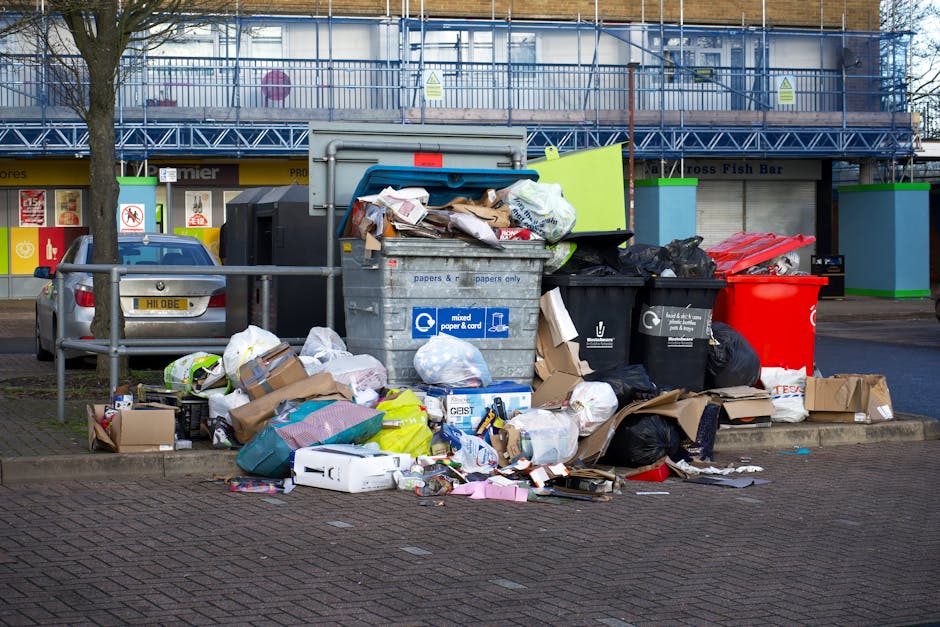
Common Mistakes to Avoid
This is the heart of the matter. These are the mistakes that most often cause trouble for landlords.
1. Underestimating how much waste there is
What looks like a small job at first glance often turns into a much bigger one once cupboards, lofts, balconies, and garden corners are checked. Underestimating volume usually leads to delays or extra visits.
2. Ignoring access problems
Parking restrictions, narrow halls, top-floor flats, and awkward loading points can all change the job. If access is difficult, say so early. It helps everyone plan properly.
3. Leaving clearance until the last minute
This is a classic landlord headache. If the new tenant, electrician, or cleaner is arriving tomorrow, you are already under pressure. Rushed clearance rarely ends well.
4. Mixing rubbish with items that should be reused
Sometimes a decent chair, desk, or appliance gets thrown out because no one has time to check properly. That is a waste of value and, bluntly, a waste of good sense.
5. Forgetting about tenant responsibility and records
If you expect a tenant to remove belongings or clear bulk waste, be clear from the start and keep records. Confusion over who owns what can lead to avoidable disputes.
6. Choosing the cheapest option without checking what is included
A low quote can be fine, but only if the scope is clear. If not, hidden extras or misunderstandings can creep in. Read the small print, ask questions, and do not rush it.
7. Overlooking specialist items
Some items need extra care or separate handling. Not every clearance is the same, and that matters when appliances, broken fittings, or heavier renovation waste are involved.
A simple rule helps here: if you would hesitate before lifting it, moving it, or guessing where it should go, pause and plan. That tiny pause can save you a headache.
Tools, Resources and Recommendations
You do not need a complicated toolkit to manage landlord rubbish removal well. A few basic items and habits are enough.
- Clipboard or digital checklist: use this to note each room, store room, and external area.
- Phone camera: record before-and-after conditions and keep a quick visual log.
- Labels or marker pens: useful when separating items for reuse, storage, or disposal.
- Measuring tape: handy for bulky furniture and tight stairwells.
- Keyholder notes: keep access details, alarm codes, and parking instructions together.
For properties that need broader waste management, it is worth reviewing the site pages on waste removal in Finsbury Park and rubbish clearance in Finsbury Park. They help you think in terms of the whole property, not just one pile in the hall.
If sustainability matters to your tenants or your own standards, the page on recycling and sustainability is worth a look. It can help frame how you talk about disposal choices in a more responsible, practical way.
For many landlords, the simplest recommendation is this: use one dependable process and repeat it every time. Fancy? No. Effective? Yes, very.
Law, Compliance, Standards and Best Practice
When landlords arrange rubbish removal, the main priority is to ensure waste is handled responsibly and in line with accepted UK practice. You do not need to become a waste expert, but you should avoid casual disposal, fly-tipping risks, or unclear handovers.
As a rule of thumb, it is sensible to make sure any service you use can explain where waste goes, how mixed loads are handled, and what happens to items that can be recycled or reused. That does not mean every landlord needs a legal lecture. It just means due care matters. Especially when you are responsible for a property that others live in.
From a best-practice point of view, landlords should keep a clear paper trail for clearance work where possible. That can include job notes, item lists, photos, dates, and invoices. It is all fairly unglamorous, but it makes management cleaner and less stressful.
Health and safety also matters. Heavy lifting, sharp edges, broken furniture, damp waste, and poor access can all create avoidable risk. If a property has awkward items or a lot of debris, think carefully before trying to do everything by hand. Sometimes the sensible move is the boring move, and the boring move is usually safer.
If you are reviewing how a provider handles safe working practices, the page on insurance and safety is useful for understanding how professional care should be presented. You may also want to check the terms and conditions and the payment and security information so there are no surprises when booking.
And, because trust matters, it is worth knowing a little about the business behind the service. The about us page can help if you want context before you hand over the keys.
Options, Methods, or Comparison Table
Different landlord situations need different approaches. Here is a simple comparison to help you choose the right one.
| Method | Best for | Strengths | Watch-outs |
|---|---|---|---|
| Self-clearance | Very small loads, a few bags, light items | Flexible timing, direct control | Parking, lifting, time, disposal logistics |
| One-off professional clearance | End-of-tenancy clutter, mixed bulky waste, urgent turnarounds | Fast, efficient, less stress | Needs clear scope and access details |
| Specialist builders waste removal | Refurbishments, repairs, strip-outs | Better suited to rubble, timber, and trade waste | Not always suitable for mixed household contents |
| Room-by-room staged clearance | Large properties, probate-style clearances, older rentals | Good for organisation and sorting | Takes longer if poorly scheduled |
For most landlords in Finsbury Park, the second option is the sweet spot. It balances speed and simplicity without turning your day into a logistical puzzle. If you are dealing with bulky furniture specifically, the article on bulky furniture clearance near Stroud Green Road is a useful local example of how these jobs tend to play out in real homes.
Case Study or Real-World Example
A landlord with a two-bedroom flat near the park needed the property reset between tenants. The outgoing tenants had left a damaged wardrobe, a broken desk, several bin bags, and a few random bits in the hallway and storage cupboard. Nothing outrageous, but enough to stall cleaning and create a very tired-looking room.
At first, the temptation was to clear it piecemeal over several evenings. That would have meant multiple trips, awkward lifting, and a delay before the cleaner could start. Instead, the landlord walked the flat properly, grouped the waste, checked access for the stairwell, and arranged one organised clearance rather than three rushed ones.
The difference was immediate. The flat was cleared in one go, the cleaner got in on time, and the lettings photos looked crisp rather than cluttered. More importantly, the process was documented cleanly, so there was no confusion later about what had been removed. Nothing magical there. Just sensible planning. But that is often what makes a property job go smoothly.
That same approach also works well in the busy local mix around shops and cafes, where waste can build up fast during trading and fit-out periods. If your property portfolio includes commercial units, the page on business rubbish removal for shops and cafes on Blackstock Road is a relevant companion read.
Practical Checklist
Use this quick checklist before arranging landlord rubbish removal in Finsbury Park:
- Have I checked every room, cupboard, loft, shed, and outdoor area?
- Have I separated bulky items, general rubbish, green waste, and anything unusual?
- Do I know whether access will be easy, tight, or awkward?
- Have I taken photos of the waste and the property condition?
- Have I confirmed what should be removed and what should stay?
- Have I timed the clearance around cleaning, repairs, or check-in?
- Do I know whether I need general clearance, house clearance, garden waste removal, or builders waste disposal?
- Have I reviewed pricing, terms, and safety information?
- Will I keep a simple record of the job for my files?
- Have I checked whether the job needs to be handled urgently?
If you can tick most of those off, you are already ahead of the pack. Not fancy, just solid landlord practice.
Get a free quote today and see how much you can save.
Conclusion
Landlord rubbish removal in Finsbury Park works best when it is planned, not improvised. The biggest mistakes usually come from rushing, guessing, or assuming a pile of waste is smaller than it really is. If you take a little time to assess the job, document the contents, and choose the right clearance method, the whole process becomes easier and far less stressful.
That matters whether you are preparing a flat for new tenants, clearing a house after a long tenancy, or tidying a property before a refresh. The good news is that these problems are very manageable. Once you build a sensible process, you will notice how much smoother each turnaround becomes. And that, honestly, makes the whole landlord job feel a bit lighter.
Keep it organised. Keep it simple. The rest usually follows.

 Tipper Van - Rubbish Clearance and Office Waste Removal Prices in Finsbury Park, N4
 Luton Van - Rubbish Clearance and Office Waste Removal Prices in Finsbury Park, N4


